
Driving Games




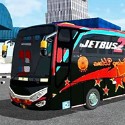




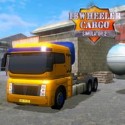
Driving Games put the steering wheel at the center of everything. Some are about weaving through traffic at high speed, others about tuning a car in a garage, landing a stunt bike or guiding a heavy truck down a mountain. This shelf collects them all, from pure arcade dashes to precise handling challenges.
Arcade Speed and Reflexes
The fastest Driving Games are built around reaction time. Traffic Jam 3D asks you to read busy lanes and change before gaps close, while Reckless Getaway 2 adds a police pursuit that grows with every crash.
Runs in Driving Games are short, often a minute or two. That makes them ideal for breaks, and it encourages replaying the same route to beat a personal record.
The key habit is looking ahead. Players who watch the car three positions in front survive much longer than those who react only to the bumper ahead.
Stunts and Air Time
Another branch of Driving Games is about flying through the air and landing safely. Mega Ramp launches cars off giant drops, and Stunt Bike Extreme turns flips and wheelies into points across jungles, warehouses and junkyards.
Speed control matters more than raw power in stunt games. Too little and you fall short, too much and you overshoot or flip on landing.
- Ease off before big jumps to control distance.
- Keep the vehicle level in the air.
- Use small corrections rather than hard inputs.
Garages, Tuning and Builds
Some Driving Games spend as much time in the garage as on the road. Pixel Car Racer lets you swap engines, add turbos and tune gear ratios on a dyno before every drag race.
Tuning rewards patience. A balanced car with good gearing usually beats a raw horsepower build that spins its wheels at launch.
Collectors also enjoy the visual side, with paint, rims and decals. A garage full of finished builds is a goal in itself.
Heavy Vehicles and Realistic Handling
Not every title is about speed. Bus and truck sims ask for careful braking, wide turns and patience on slopes, which suits players who enjoy calm, methodical driving.
These overlap with our Simulation Games shelf, where routes, cargo and passengers matter as much as handling.
The skills transfer well. Braking early and steering gently helps in any driving challenge, not only the slow ones.
Cars in Open Cities
Many of the best driving moments happen inside open cities. Stealing a fast car to escape police, finding a shortcut through an alley or racing across a bridge all depend on handling as much as on story.
That is the link to GTA 4 in Browser, where most sessions revolve around cars and chases. Our fastest cars guide lists the quickest vehicles in Liberty City.
Different games treat cars differently. Some keep physics floaty and forgiving, others make weight and grip feel real.
Handling Models and Feel
Every one of the Driving Games here has its own idea of how a car should behave. Arcade handling lets you turn hard at full speed and recover from almost any slide, while heavier models punish late braking and reward smooth inputs. Neither approach is better, but switching between them takes a few minutes of adjustment.
Weight is the biggest difference. A truck with a loaded trailer needs long braking distances and wide corners, while a light hatchback can dart between lanes.
Grip and power also interact. A car with huge horsepower and poor tires spins its wheels, which is why tuning titles care so much about launches.
Common Mistakes Behind the Wheel
The most frequent error across Driving Games is braking too late. Players carry full speed into a corner, slide wide and lose more time than a gentle slowdown would have cost.
The second is staring at the bumper in front. Looking further down the road gives more time to plan lane changes, jumps or turns.
- Brake before the corner, not in it.
- Look ahead instead of at the nearest obstacle.
- Match the vehicle to the challenge.
- Replay short sections to learn them.
The third mistake is sticking with one vehicle for everything. Many tough levels become easy with a different car, so testing options is part of the skill in any racing game on the Driving Games shelf.
Short Sessions or Long Careers
Driving Games fit almost any schedule. A traffic run or a stunt course takes a minute, while a tuning career or a long cargo route can fill an evening.
Progress systems keep players coming back. New cars, upgrades and tracks unlock as you improve, which gives each session a small goal.
Personal records add another layer. Beating your own best time on a familiar route is one of the most satisfying parts of the whole genre, and it costs nothing more than another attempt.
Choosing Your Next Drive
For quick reflex tests, start with traffic and chase titles. For a slower, more technical session, try tuning or stunt challenges where each attempt teaches something new.
Team players can try Rocket League, where cars become soccer players and boost management decides matches.
Driving Games cover a wide range, but they share one reward: the moment a tricky turn, landing or launch finally goes exactly right. Pick a style and keep practicing until it does.