
Open World Games
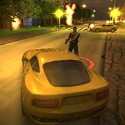
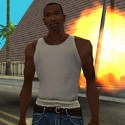

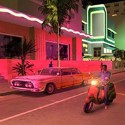



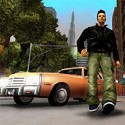
Open World Games hand you a map and step back. Instead of a fixed path from level to level, you choose where to drive, which job to take and when to ignore the story for a while. This shelf gathers city sandboxes and crime classics where the streets themselves are the main attraction.
What Makes a World Feel Open
A big map alone is not enough. Open World Games work when the space reacts to you: traffic that clogs a junction at the wrong moment, police that remember a crash, side streets that become escape routes once you learn them. The best examples let small decisions snowball into stories nobody scripted.
Choice of order is the other half. You can chase the main missions, collect hidden items, test cars or simply cruise, and the map supports each choice without forcing one over another.
That is why players return to the same city for years. A familiar district still produces surprises because the systems keep mixing in new ways.
Cities, Islands and Whole States
Settings in Open World Games range from compact neighborhoods to entire regions. GTA 3 splits its city into three islands that open with the story, while GTA San Andreas stretches across three cities, forests and desert. GTA 5 pairs a modern city with mountains and small towns.
Smaller maps have their own appeal. A tight city means you learn every alley quickly, and chases become planned routes rather than panicked guesses.
- Compact maps: faster to learn, ideal for short sessions.
- Island layouts: bridges and tunnels shape every chase.
- Regional maps: long drives, flights and varied scenery.
Vehicles as the Main Toy
In most Open World Games, cars, bikes, boats and aircraft are how you experience the map. A light sports car turns the avenues into a racetrack, a heavy truck pushes through traffic, and a helicopter turns rooftops into shortcuts.
Some games lean on vehicles even more. Indian Bike Driving 3D lets you summon bikes, cars and even dinosaurs through phone codes, turning a city into a playground for stunts.
Learning how each vehicle handles is a skill on its own. Players who switch cars to match the job finish missions faster and escape more chases.
Story Versus Sandbox
Open World Games balance two kinds of play. The story pulls you through characters, betrayals and big set pieces, while the sandbox invites you to make your own fun between missions.
Some players finish every story mission before exploring. Others spend dozens of hours on side activities and leave the campaign half done, and both approaches are valid.
Lighter entries skip the story entirely. GTA 6 Browser is a quick fan-made sandbox for driving and chases, and Payback 2 breaks its city into short events.
Police, Heat and Consequences
Most city sandboxes track your crimes with a wanted level. Small mistakes bring a patrol, bigger ones bring roadblocks and helicopters, and the challenge becomes breaking line of sight before the response grows.
This system is what gives the world tension. Without it, chaos would have no cost, and the city would feel like a static backdrop.
Our wanted level guide explains how one of the most detailed police systems works, and its advice applies across the whole shelf.
Side Activities That Fill the Map
The quiet strength of Open World Games is everything that happens between missions. Taxi fares, street races, hidden packages, stunt jumps and property purchases give the map a reason to be explored even after the credits roll. A city with nothing to do off the main path quickly feels empty.
Collectibles are the most common filler, but the best ones change how you play. In several series entries, gathering hidden items unlocks weapons at your safehouse, which makes later missions easier.
Players who love checklists often spend more time here than in the story. For them, a completion percentage is the real ending, and every icon on the map is another small goal.
Learning a Map the Smart Way
New players tend to follow the mission marker everywhere and never learn the streets. A better habit is to spend the first session driving without a goal, noting main avenues, bridges, tunnels and the narrow alleys that break police pursuit.
Landmarks help a lot. A tall tower, a stadium or a bridge visible from far away keeps you oriented when a chase sends you into unfamiliar blocks.
Our Liberty City map guide shows how one famous city is divided into areas that open as the story grows, a pattern many Open World Games copy. Knowing the layout turns any game in this style from confusing to comfortable within an hour.
How Open Worlds Changed Over Time
Comparing entries in Open World Games shows how far the idea has come. Early top-down maps relied on simple grids and points, while later 3D cities added weather, day and night, radio stations and pedestrians with their own routines.
Modern Open World Games also make characters part of the map. Friends call with invitations, rivals react to your reputation and businesses you own keep earning while you are away.
Lightweight browser versions bring the idea back to its basics: a city, a car and the police. That simplicity is part of their charm, since a session needs no long commitment and every game on the Open World Games shelf can be enjoyed in short bursts.
Where to Start
If you came for GTA 4 in Browser, the series classics are the natural next step. Grand Theft Auto shows the top-down roots, and GTA Vice City adds a sunny 1980s setting with properties to buy.
For quick sessions, pick a game with a small map or event structure. For long evenings, choose a regional map and set yourself a goal, such as finding the fastest car or reaching the highest point.
Open World Games reward curiosity more than speed. Pick a city, ignore the marker for a while and see what the streets throw at you.